

In the rapidly evolving electronics industry, the demand for faster, more precise, and reliable manufacturing processes is higher than ever. Automatic connector assembly has emerged as a transformative solution, addressing the challenges of traditional manual assembly methods and driving efficiency across various sectors.
At its core, automatic connector assembly utilizes advanced robotic systems and cutting-edge technology to streamline the production process. These automated machines can handle a wide range of connector types with remarkable speed and accuracy. By precisely positioning, inserting, and securing connectors, they significantly reduce human error, ensuring consistent quality in every product. For instance, in high-volume manufacturing of consumer electronics like smartphones and laptops, automatic assembly systems can complete thousands of connections per hour, far outpacing manual labor.
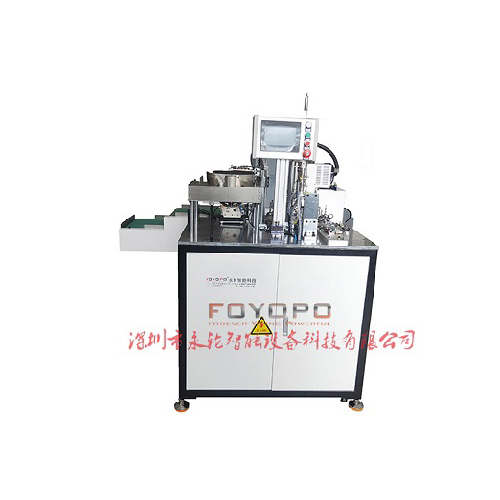
The benefits of this technology extend beyond mere speed. Automatic connector assembly enhances product reliability. With consistent force application and alignment, the risk of loose connections or faulty installations is minimized, reducing the likelihood of product failures in the field. Additionally, these systems can adapt to different design requirements, making them versatile for various industries, from automotive electronics to aerospace components.
Moreover, the adoption of automatic connector assembly promotes cost savings in the long run. While the initial investment in automated machinery may be substantial, the reduction in labor costs, lower defect rates, and increased production throughput quickly offset these expenses. Companies can allocate resources more efficiently, focusing on innovation and product development rather than repetitive assembly tasks.
As technology continues to advance, automatic connector assembly is set to become even more integral to modern manufacturing. With the integration of artificial intelligence and machine learning, these systems will achieve higher levels of autonomy and self-optimization, further revolutionizing how electronic products are made and setting new standards for quality and productivity.